
Togo Pavilion at EXPO 2025 OSAKA

Edit Content

The population

Togo, with a population of 8.1 million, is distinguished by its rich ethnic and linguistic diversity. French serves as the official language, yet local languages such as Ewé and Kabiyè are widely spoken. The population is predominantly young, with over 60% under the age of 25.

Primarily an agricultural nation, Togo is experiencing growing urbanization, particularly in Lomé, the capital. Its economy is driven by agriculture, trade, and services, alongside a burgeoning technological and industrial sector. Despite challenges in employment and education, the country continues to progress, propelled by a dynamic and enterprising youth.

Resident
7.1 m
Rural population
6.2 %
Urban population
0 %
Annual growth
0 %

Area and Capital City

  • The Capital city

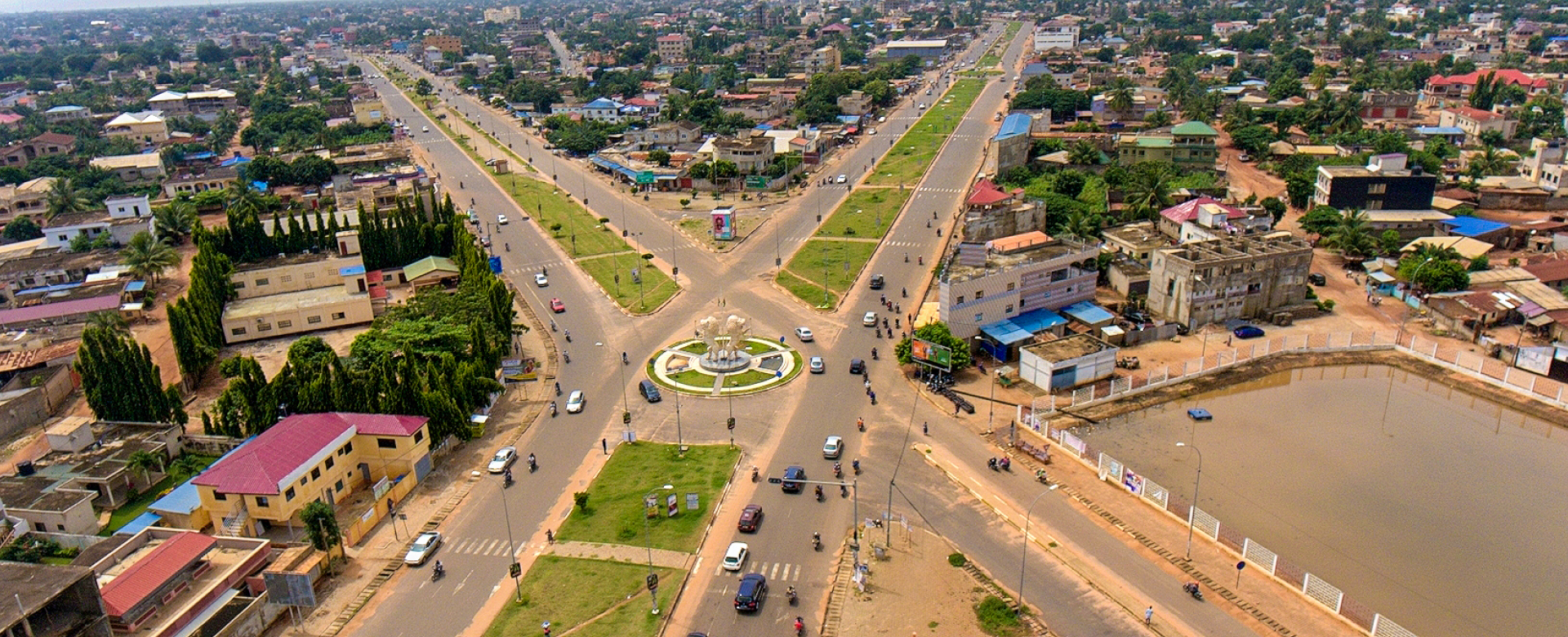
    Lomé, the capital and largest city of Togo, is the country's main political, economic, and cultural hub. Located on the Gulf of Guinea, it hosts the largest port and plays a key role in regional trade. Known for its lively markets, government institutions, and growing infrastructure, Lomé also serves as a gateway for international commerce and houses important educational and financial institutions.

    The Capital city
  • The Area

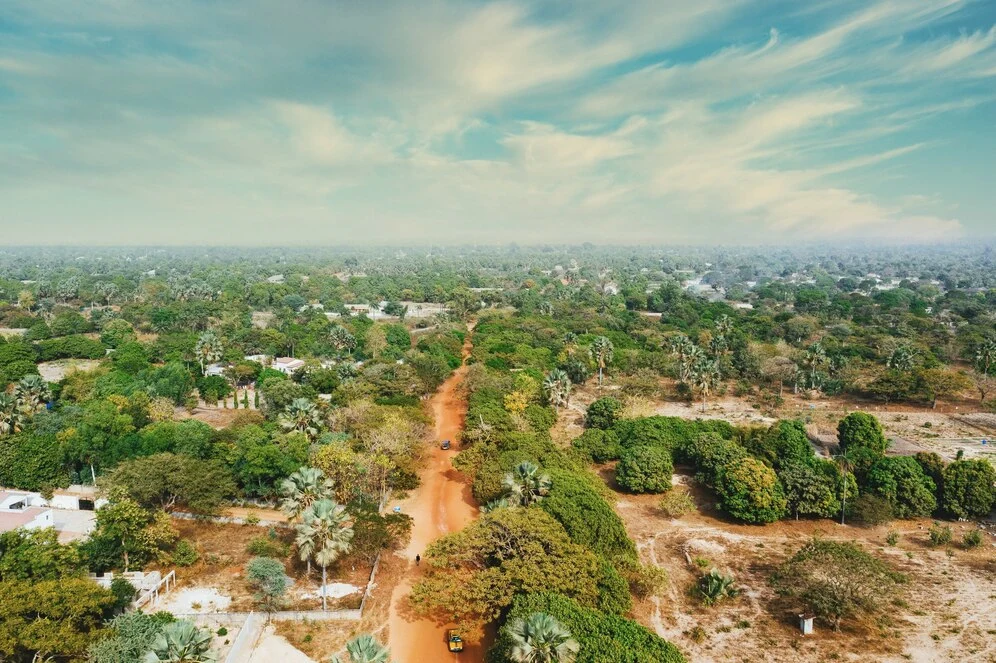
    Togo is a small West African country bordered by Ghana to the west, Benin to the east, Burkina Faso to the north, and the Atlantic Ocean to the south. It covers an area of about 56,785 square kilometers, with diverse landscapes ranging from coastal beaches and lagoons in the south to rolling hills and savannas in the north. The country is divided into five main regions: Maritime, Plateaux, Centrale, Kara, and Savanes.

    The Area

    Togo, the Green Heart of West Africa

    Discover the richness of Togo through three major national days highlighting the country’s culture, economy, and innovation

    April 27 1960

    April 27, 1960

    Togo became independent on April 27, 1960, with Sylvanus Olympio as its first president. Despite later political struggles, this date remains a proud symbol of the country’s freedom and sovereignty. Each year, it is celebrated with patriotic events and national pride.
    Motto

    Motto

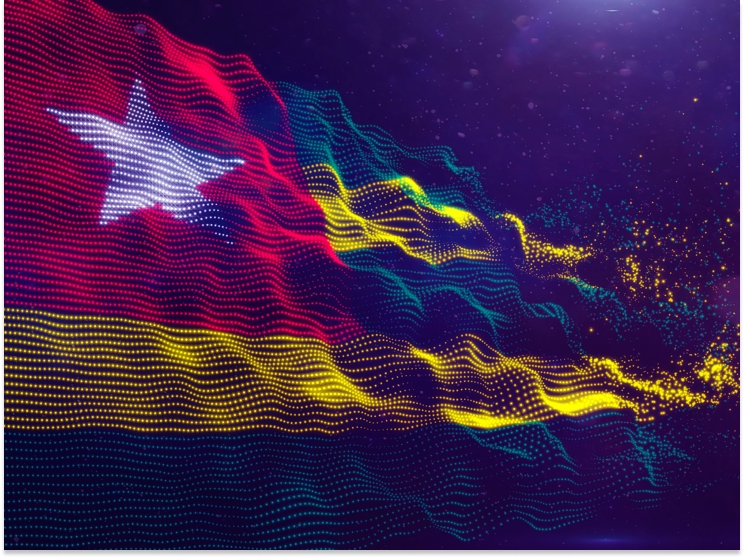
    "Work, Liberty, Homeland" is Togo’s national motto, symbolizing dedication, freedom, and unity. It celebrates the spirit of independence and inspires citizens to shape a better future. This motto echoes in ceremonies and the hearts of the Togolese people.
    Official languages

    Official languages

    Togo’s main languages are French, Ewe, and Kabyé, reflecting its rich cultural and historical diversity. French serves as the official language, while Ewe and Kabyé are widely spoken regionally. This vibrant blend of languages unites communities and proudly celebrates Togo’s heritage.
    Currency

    Currency

    Togo uses the West African CFA franc (XOF), a stable currency shared across eight countries. Managed by the BCEAO and backed by the French Treasury, it's pegged to the euro. This trusted currency fosters regional integration, economic growth, and cross-border cooperation.

    TheTourism

    The country offers a range of accommodations to suit all preferences — from modern hotels in Lomé, like Hôtel 2 Février, Onomo, and the iconic Hotel Sarakawa, known for its beachfront location and lush gardens, to cozy eco-lodges in rural areas. These establishments provide both comfort and a welcoming atmosphere. Tourism in Togo combines nature, crafts, gastronomy, and cultural heritage, making it an ideal destination for both relaxation and discovery.

    Togo, where history and culture come alive

    TheTogo Story

    The territory of present-day Togo has a rich history shaped by ancient settlements, migrations, and contact with neighboring civilizations. Oral traditions mention early peoples such as the Alou and Azanou of Tado, the Akposso-Akébou, the Ahlon of the Dayes Plateau, and the Kabyè. These groups laid the cultural foundation of the country long before colonial influence.

    Later migrations brought other key communities like the Adja-Ewé, Guin-Mina, Tem, Tchokossi, and Moba-Gourma. The name “Togo” comes from “Togodo,” which means “the city behind the mountain” in Ewé. Togoville, located east of today’s capital Lomé, was once a German colonial center and served as Togo’s first capital. These regions still preserve important cultural and spiritual traditions.

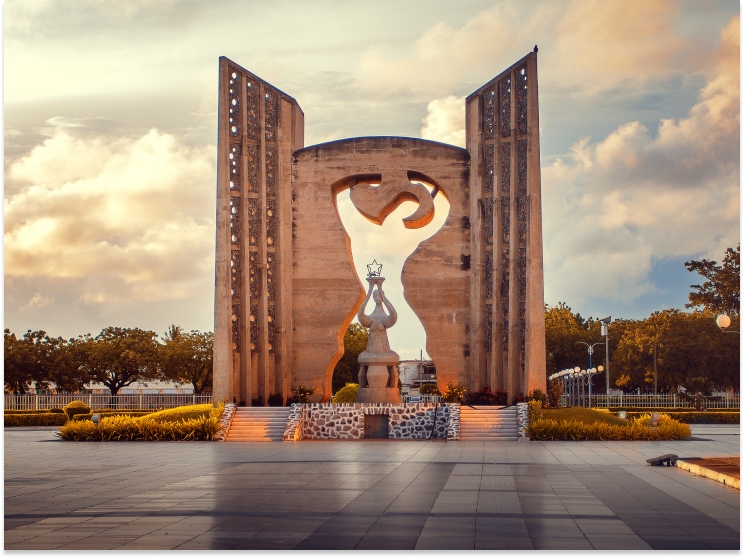
    Togo’s path to independence was marked by determination and unity. The Comité d’Unité Togolaise (CUT) won the 1958 elections, paving the way for independence, officially achieved on April 27, 1960. Before that, internal autonomy had been granted in 1956. Today, the Independence Monument in Lomé stands as a national symbol of freedom, showing a man breaking his chains — representing the strength and resilience of the Togolese people.

    TheTogo Story

    The territory of present-day Togo has a rich history shaped by ancient settlements, migrations, and contact with neighboring civilizations. Oral traditions mention early peoples such as the Alou and Azanou of Tado, the Akposso-Akébou, the Ahlon of the Dayes Plateau, and the Kabyè. These groups laid the cultural foundation of the country long before colonial influence.

    Later migrations brought other key communities like the Adja-Ewé, Guin-Mina, Tem, Tchokossi, and Moba-Gourma. The name “Togo” comes from “Togodo,” which means “the city behind the mountain” in Ewé. Togoville, located east of today’s capital Lomé, was once a German colonial center and served as Togo’s first capital. These regions still preserve important cultural and spiritual traditions.

    Togo’s path to independence was marked by determination and unity. The Comité d’Unité Togolaise (CUT) won the 1958 elections, paving the way for independence, officially achieved on April 27, 1960. Before that, internal autonomy had been granted in 1956. Today, the Independence Monument in Lomé stands as a national symbol of freedom, showing a man breaking his chains — representing the strength and resilience of the Togolese people.

    The culture

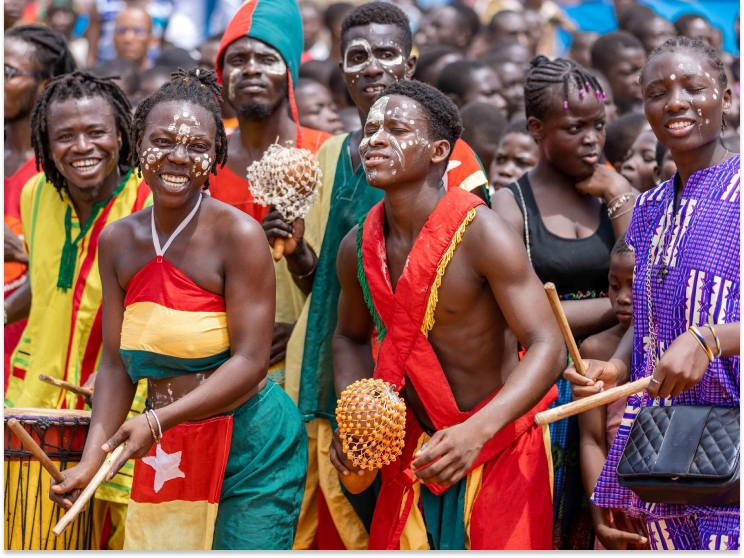
    Togo is a treasure trove of authentic traditions and cultures, carefully preserved by the diverse mosaic of ethnic groups that inhabit the country.

    Stretching over 650 kilometers from south to north, Togo offers a rich journey through its many communities, each with their own unique customs and way of life.

    From the Ewé and Guins in the south, to the Ana people in the Plateaux region, and the Tem in the central areas, the cultural experience continues with the Bassar, Kabyè, and Tamberma of the Kara region, all the way to the Moba-Gourma in the far north.

    Art and Theatre

    With a flourishing literary culture, Togolese literature celebrates its great figures, including Félix Couchoro, the founding father and pioneer of this literary tradition, which is now 100 years old.

    When it comes to art in Togo, Paul Ahyi is unanimously recognized — not only as the creator of the Togolese flag, but also for much more.

    His works are scattered throughout the Togolese landscape and around the world.

    Togolese art stands out from its contemporaries while embracing elements of the universal artistic language.

    Togo, Where Many Religions Bloom in Harmony

    Christianity in Togo

    Islam in Togo

    Vodoun in Togo

    Enhance user experience with Advanced Tabs, allowing seamless content navigation. Organize information efficiently while keeping the interface clean and interactive. Perfect for FAQs, product details, or multi-section content.